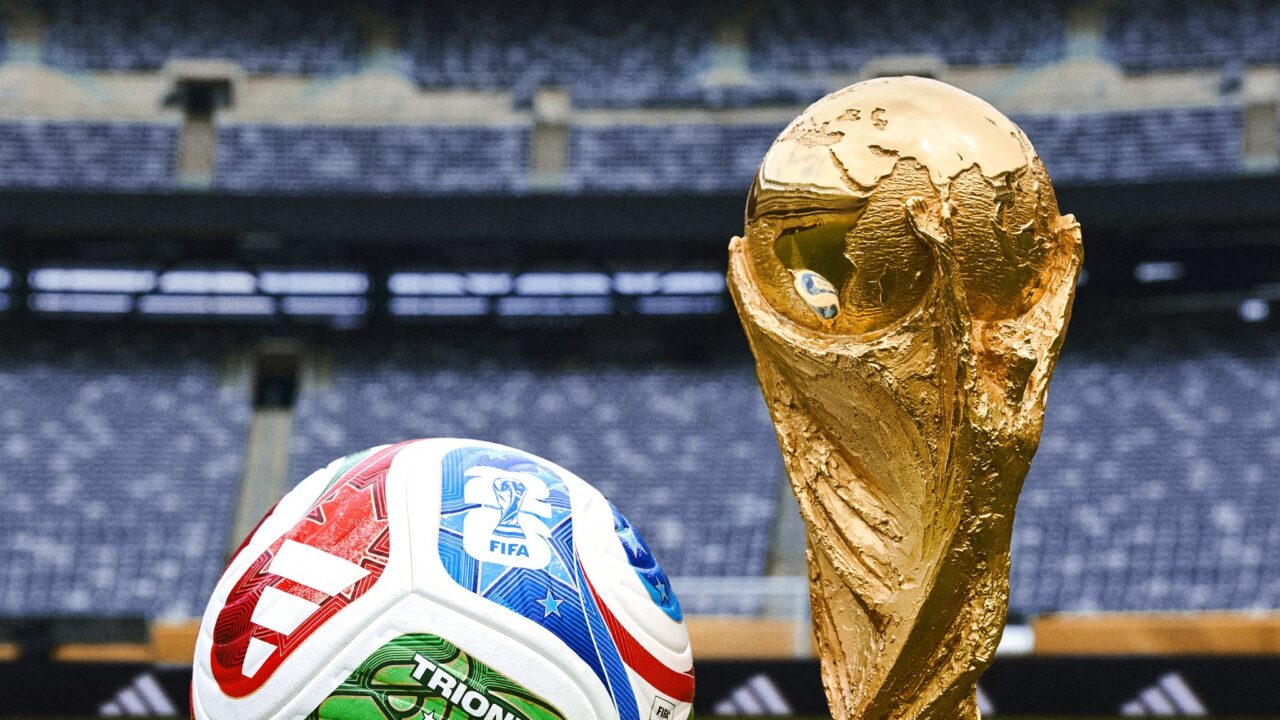
African Teams Rewrite the Script at the 2026 FIFA World Cup Knockout Stage
African football is experiencing one of its finest hours on the global stage, with the continent’s representatives delivering standout performances at the 2026 FIFA World Cup. A record number of African sides have advanced beyond the group stage, and results from the opening round of knockout fixtures suggest the continent is no longer content with merely participating — it is competing for the sport’s biggest prize.
Morocco and Paraguay Eliminate European Giants
The transition from the group stage to the knockout rounds has immediately raised the stakes, and several established football nations have already paid the price. Germany, four-time world champions, were knocked out by Paraguay in a result that sent shockwaves through the tournament. The Netherlands, who had gone through the group stage unbeaten, were eliminated by Morocco in a disciplined and composed display from the African side. Elsewhere, Brazil required considerable resilience to get past Japan, a match that underlined how competitive the field has become at this edition of the tournament.
Morocco’s victory over the Netherlands stands out as a particularly significant moment for African football. The Atlas Lions have now firmly established themselves as one of the most dangerous teams in the competition, building on the momentum they have generated in recent major tournaments.
France and Norway have both secured their places in the Round of 16, and England and Spain continue to be regarded as strong contenders. However, the early exits of Germany and the Netherlands have reinforced a growing sense that European dominance at the World Cup can no longer be taken for granted, despite the continent sending 13 teams into the knockout phase.
Why European Dominance Is Under Threat
Three broad themes have begun to define the early knockout rounds. First, European football’s grip on the tournament appears to be loosening, with reputation proving insufficient protection against well-organised, tactically sharp opponents. Second, the performances of teams such as Morocco, Paraguay and Japan have demonstrated that results in this World Cup are not being shaped by fortune alone — these sides have matched the traditional heavyweights across extended periods of play, with outcomes frequently settled by the narrowest of margins.
Taken together, the opening week of the Round of 32 points toward a wider shift in the global game. The gap between football’s established elite and the rest of the world continues to narrow, and the 2026 World Cup may well be remembered as the tournament where that reality became impossible to ignore.
Stay with BeatzHive News for more entertainment and music news.
On X
We are also undertaking one of the most ambitious urban road improvement programmes in Nairobi's history, with 729km of roads under routine maintenance and more roads under rehabilitation across the city. Together, these projects are systematically addressing the traffic congestion that has hindered the growth of our capital for decades. Our goal is to build infrastructure that delivers a modern, efficient and globally competitive capital city, the gateway to Eastern Africa.
— William Samoei Ruto, PhD (@WilliamsRuto) View on X
Follow the story: see the latest on X. More entertainment news on BeatzHive News.
You may also like

Russian Climbers Arrested After Empire State Building Proposal Stunt
Russian daredevils Angela Nikolau and Ivan Kuznetsov were arrested after scaling the Empire State Building's antenna to stage…
Shakira and Burna Boy’s ‘Dai Dai’ Reclaims Global Shazam No. 1
Shakira and Burna Boy's 2026 FIFA World Cup anthem 'Dai Dai' has returned to the top of the…

Passengers Open Umbrellas Inside Leaking Bus Amid Heavy Rain
A viral clip shows commuters shielding themselves with umbrellas inside a leaking public bus during a downpour, sparking…

Tyla’s A*POP Debuts at No. 43 on Billboard 200
Tyla's album A*POP entered the Billboard 200 at No. 43, giving the South African star her second Top…